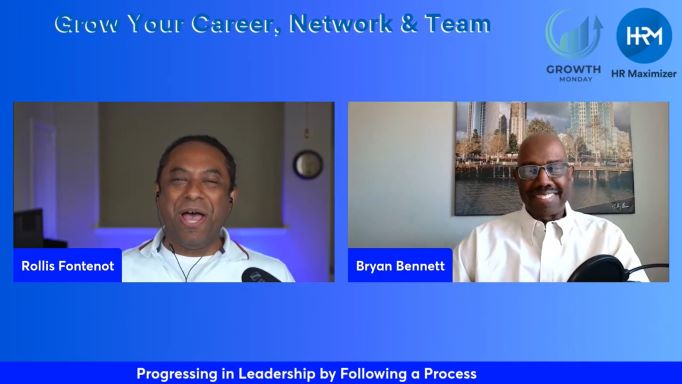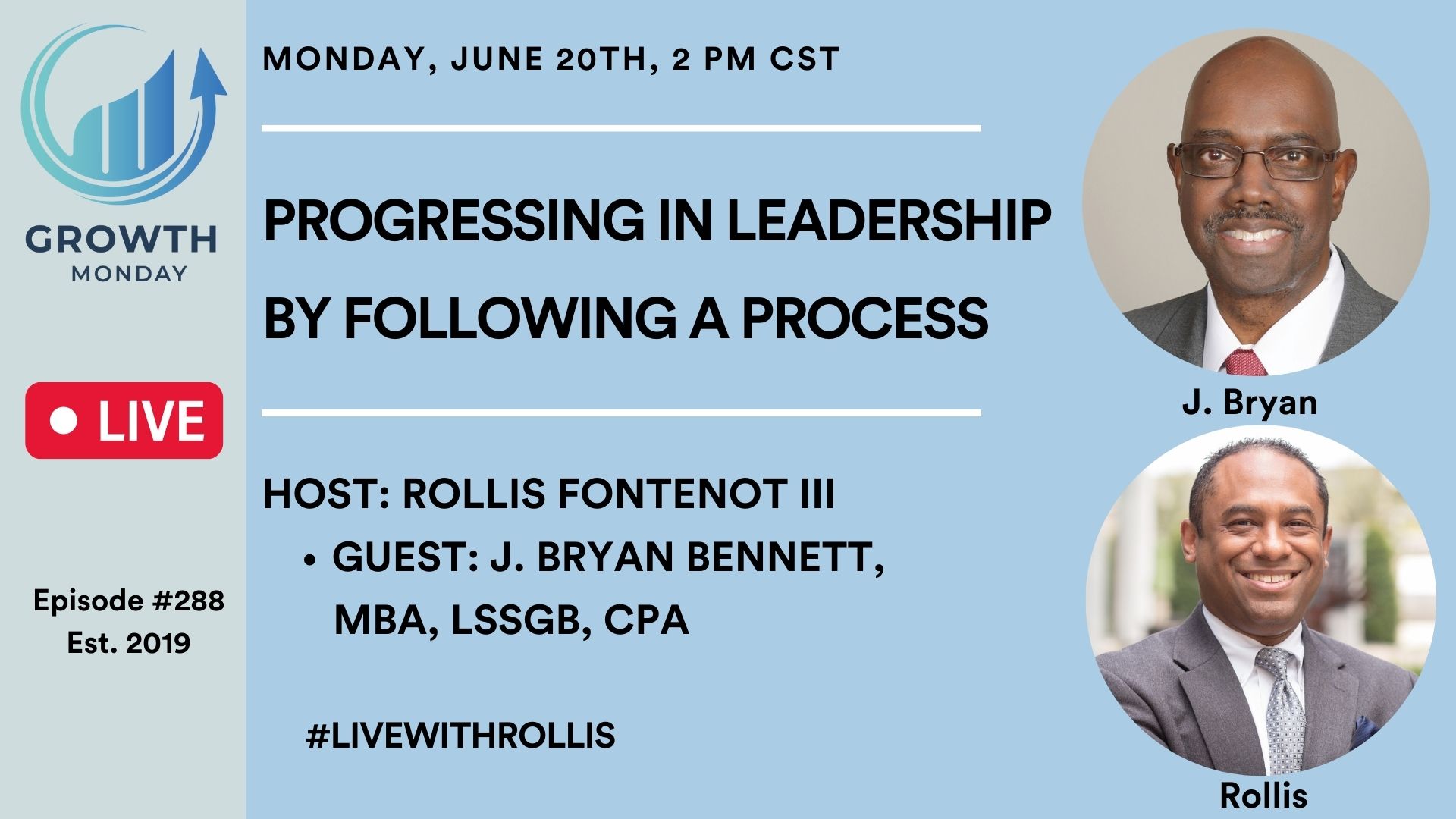
Please take a look at my interview with Rollis Fontenot III from HR Maximizer Inc. on the topic of Progressing in Leadership by Following a Process.
https://www.linkedin.com/video/event/urn:li:ugcPost:6943247352749047808/
Please take a look at my interview with Rollis Fontenot III from HR Maximizer Inc. on the topic of Progressing in Leadership by Following a Process.
https://www.linkedin.com/video/event/urn:li:ugcPost:6943247352749047808/
In this session, you will learn why leadership is a process to be refined instead of a skill to be learned, as well as the importance of measuring and tracking leadership progress over time.
Situational awareness and adaptability are the keys to effective leadership. It involves recognizing and adapting to the various influences present in any leadership encounter. Situational awareness or instinct is not something most leaders are born with but is something that evolves over time as the Leader increases in experience.
Continue reading “Managing Situational Influences for Maximum Leadership Effectiveness”My view of leadership has been honed over a 30-plus years career performing and observing leaders at all levels of management. I began codifying my leadership development vision as a professor at Judson University, in their leading Organizational Leadership program. This experience, along with additional research and personal interviews, formed the foundation for the Elite Leadership Process™ detailed in my first leadership book, Prescribing Leadership in Healthcare in 2017. Since then, I have refined my vision with additional research and interviews for second leadership book, The Path to Elite Level Leadership in 2021. Something that I’ve come to realize and accept is that many of the positions I’ve chosen on leadership are contrary to those of many of my colleagues, namely:
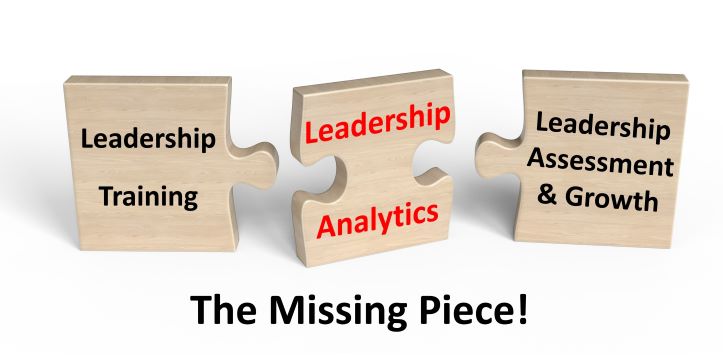
Continue reading “A Contrarian’s Thoughts on Leadership Development”Leadership analytics is critical to an organization’s continued growth and success. It can be the difference between keeping and losing your best leaders, the difference between identifying and missing high potential hires, and the difference between promoting people based on leadership potential or based on prior functional success. Each of these could have dire consequences for an organization.
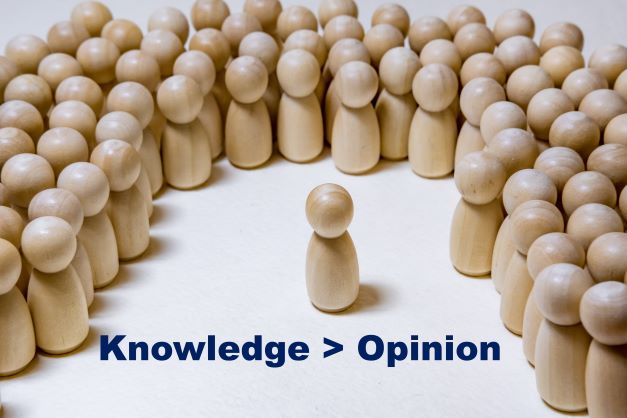
Continue reading “Leadership Analytics 101”The importance of quantifiably measuring and monitoring leadership progress cannot be stressed enough. If leadership behavior is not measured, it can’t be improved. As the data scientist, W. Edwards Deming states, “Without data you’re just another person with an opinion.”
Continue reading “Unlocking the Power of Leadership Analytics”In the 1991 movie City Slickers, Billy Crystal plays Mitch, a man going through a midlife crisis who joins two of his friends on a cattle drive in the southwest. While on the drive, Mitch asks Curly, in Jack Palance’s Academy Award winning performance as the cowhand, “Do you know what the secret of life is?” Curly holds up one finger and tells him, “One thing. Just one thing. You stick to that and the rest don’t mean s@#t.” When Mitch ask him what the one thing is, Curly tells him, “That’s what you have to find out.”
Continue reading “The One Thing EVERY Leader Needs to Be!”This is the last in the series of data analysis from our Leadership Impact Assessment (LIA) data. This analysis is for Supervisors (11% of the population) and Managers (45% of the population). You can read the LIA overview and see all of the results at MeasuringLeadership.com. We cannot stress enough the importance of including some measure of accountability in your organization’s leadership training. Without a plan for an empirical, quantifiable and repeatable tool for measurement, an organization cannot track leadership progress or determine if the program is yielding an adequate return on investment.
“Without data you’re just another person with an opinion.”
– W. Edwards Deming, Data Scientist
We have already released analysis from our Leadership Impact Assessment (LIA) for the C-Level Executives and Vice Presidents (see all of the results and the LIA background at MeasuringLeadership.com). To reiterate, it’s important to measure the outcomes from leadership training, but most organizations don’t incorporate it for one reason or another. Without any way of measurement, the individual and/or organization can’t empirically know what needs to be improved.
“If you can’t measure it, you can’t improve it.”
– Peter Drucker
Recently, we began releasing analysis from our Leadership Impact Assessment results. In the last newsletter, we analyzed results for the C-Level executives in the data. It’s important to measure the outcomes from leadership training, but most organizations don’t incorporate it for one reason or another. Without any way of measurement, the individual and/or organization can’t empirically know what needs to be improved.
“Without data you’re just another person with an opinion.”
– W. Edwards Deming, Data Scientist