

Despite the research showing the cultural and financial damage caused by toxic leaders, many organizations still move too slowly to address the behavior. Toxic leadership can show up as micromanaging, hoarding information, taking credit for others’ work, or belittling staff and peers. The result is disengagement, higher turnover, especially among high performers and high-potential employees, lower productivity, and more mental health claims.
My articles and presentations on toxic leadership usually get strong engagement because most people have worked with, or for, a toxic leader at some point. The experience is so common that many readers immediately recognize the behaviors and consequences. That familiarity is part of why this topic resonates so strongly.
Tolerating toxic leaders is expensive. Estimates suggest the hidden cost can equal 3 to 5 times a toxic leader’s annual salary, depending on whether that person is also a high performer. For a mid-sized organization of 1,200 employees, that impact could easily reach $10 million, according to our Financial Impact Calculator.
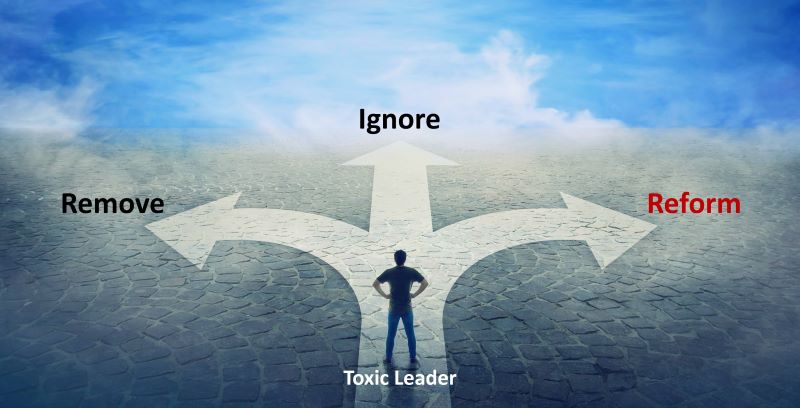
Even with those costs, senior leaders often hesitate to act. Many assume they only have two choices when they identify a toxic leader: ignore the behavior or remove the person. In reality, there is a third option that is often overlooked.
A lot of organizations ignore toxic leaders because those individuals also produce strong results. They get the job done with little support, and they may be top sales managers, brilliant scientists, gifted technologists, respected physicians, or highly capable administrators. That makes the behavior easier to excuse than it should be.
The other common response is termination. But removing a toxic leader can be disruptive, especially if the organization has limited bench strength. It may require reorganization, a long onboarding process, or an external hire, all of which take time and money.
A better path is to see whether the leader can be coached into healthier behavior. This will not work for every toxic leader, but it is worth exploring first, especially if the person shows some willingness to change. If they are unwilling to change and continue harming the culture after receiving feedback and documentation, removal may be the right step.
This approach works best when the leader can see patterns in their behavior, such as belittling others, avoiding conflict, reacting impulsively, or showing little empathy, and then replace those habits with healthier ones. The goal is not to excuse the behavior. The goal is to change it when change is possible.
Start with an advanced 360 assessment, such as our Leadership IMPACT Assessment™ tool, designed to reduce the risk of retaliation. Then provide behavioral feedback tied to specific examples, not vague criticism. Follow that with emotional intelligence and conflict-resolution training, regular check-ins, measurable goals, and reassessments where appropriate. Finally, make the consequences clear, including termination if the behavior does not improve.
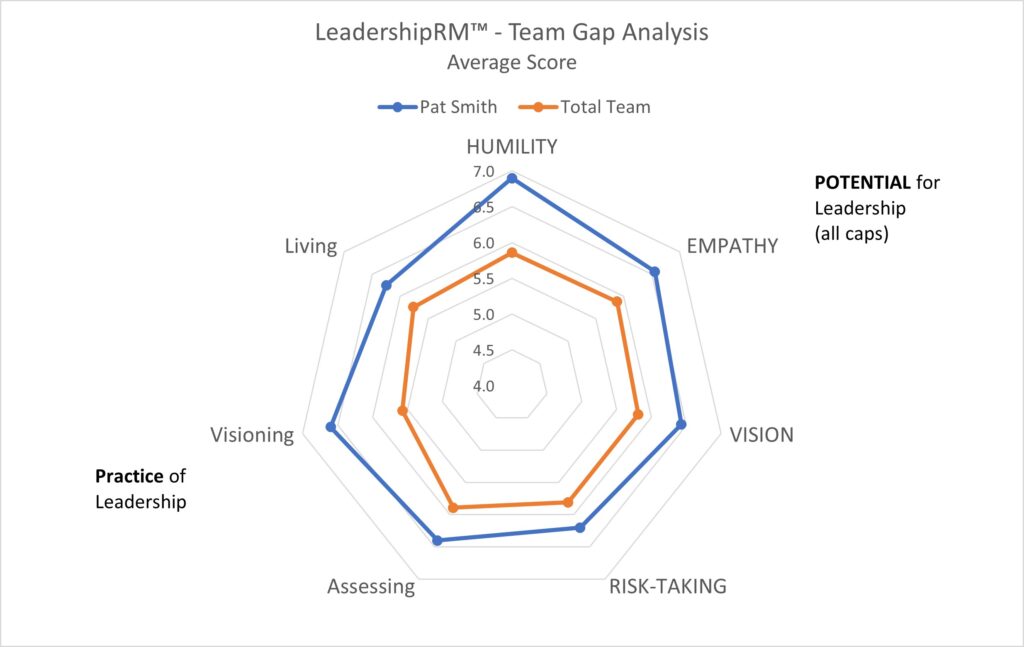
This is not an abstract idea. With the right support and accountability, real improvement is possible. It may not work in every case, but when it does, the payoff can include better morale, stronger productivity, and a healthier organizational reputation.
Read the case study, Transforming Nursing Leadership with LeadershipRM™, to see how we helped the organization identify a toxic leader, address the behavior, and turn that leader into one of the team’s most effective contributors within a year.
For more information on how we build data-infused and measurable leadership management programs, visit EliteLeadershipAcademy.com/lrm.