
Many organizations say they are investing in leadership. But when you look closer, they usually mean leadership development: training, coaching, workshops, and other ways to build the skills of individual managers or high-potential employees.
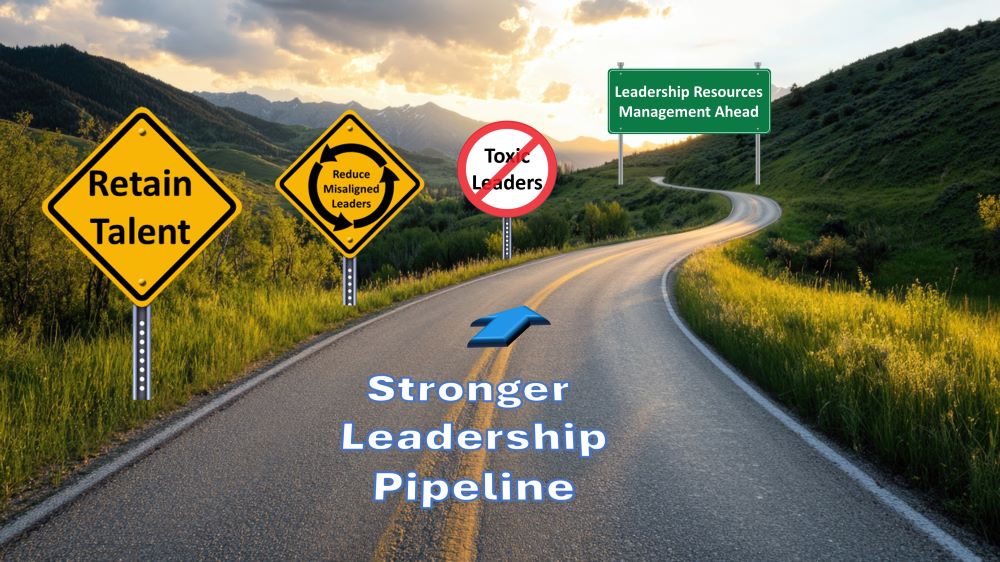
Leadership management may be one of the most important strategic priorities an organization can undertake. It goes beyond leadership development, which focuses on helping individuals become better leaders, whereas leadership management focuses on how an organization identifies, deploys, and retains leadership talent more effectively.
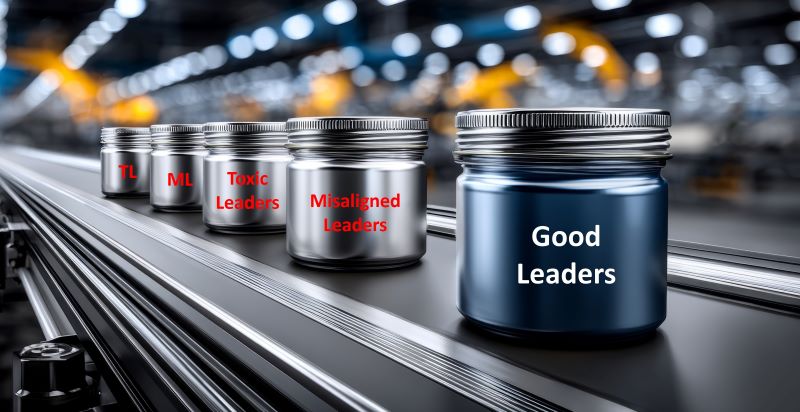
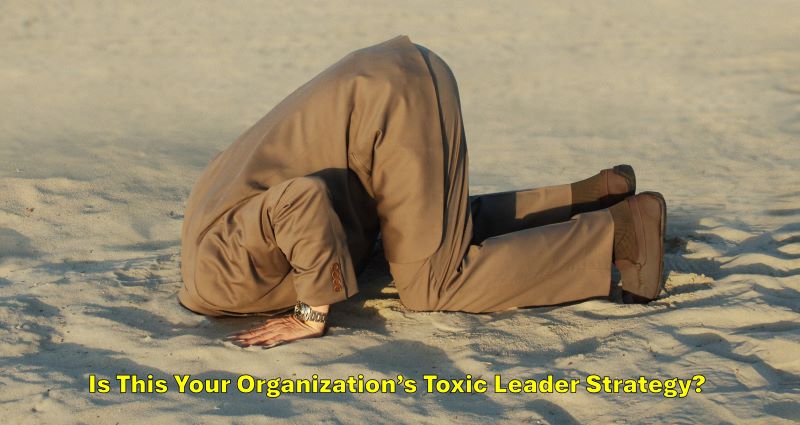
Many organizations create toxic and misaligned leader problems without realizing it. Sometimes the problem is intentional, but more often it grows because the organization creates the conditions that allow it to persist.
It’s nighttime. Everyone in the house is asleep, but you hear a faint sound somewhere nearby. It’s easy to ignore at first, especially if the TV has been on or the day has been noisy. You get up to check and discover a dripping faucet. You make a mental note to call the plumber in the morning.
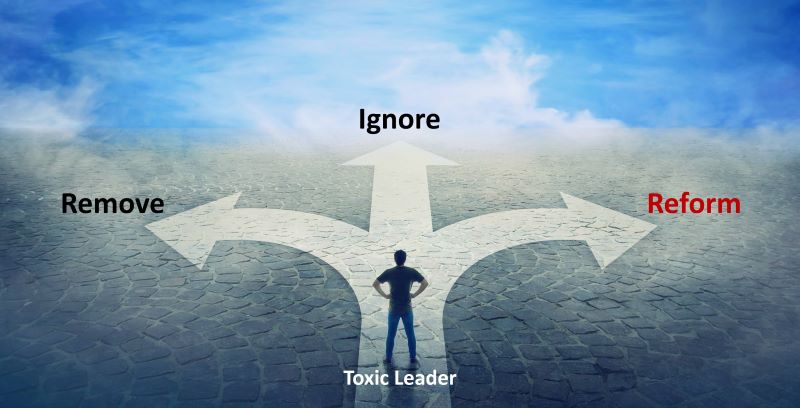
Despite the research showing the cultural and financial damage caused by toxic leaders, many organizations still move too slowly to address the behavior. Toxic leadership can show up as micromanaging, hoarding information, taking credit for others’ work, or belittling staff and peers. The result is disengagement, higher turnover, especially among high performers and high-potential employees, lower productivity, and more mental health claims.
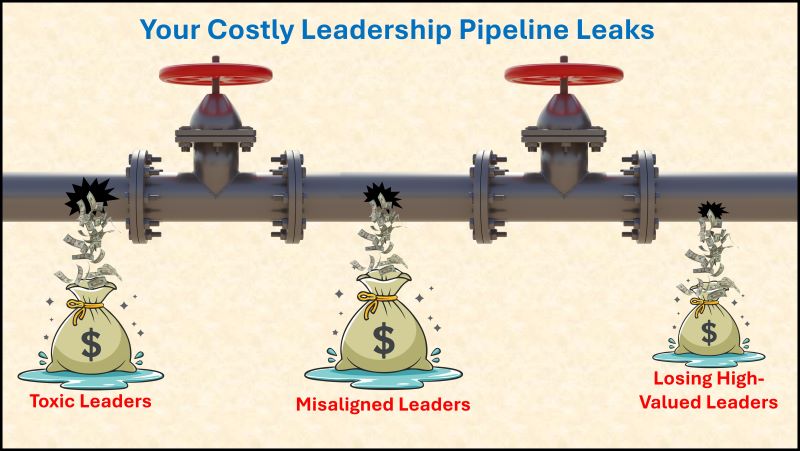
Your 2026 hospital financial risks are not just in the margins or reimbursement rates. It’s very likely sitting in your leadership ranks. Unlock millions of dollars by uncovering toxic leaders, fixing misaligned assignments, and keeping your best people from walking to your competitors by adopting a Leadership Resources Management strategy that pays dividends in 2026 and beyond.
Click on the image below to view the slides to see how these leaks can result in a $100 million impact for a 10,000-employee hospital.
Calculate the Impact on Your Hospital
Use this interactive LeadershipRM calculator to quickly quantify how toxic leaders, misaligned managers, and preventable high-performer turnover are draining your hospital’s budget, productivity, and future growth, using your own leadership counts and salary data.
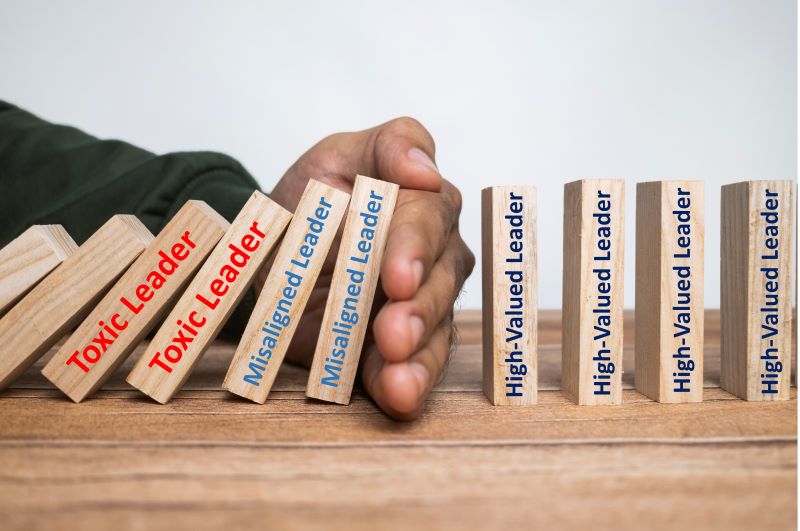
By now, you’ve seen how the 3 Rs of Leadership Resources Management – revealing toxic leaders, reducing leadership misalignment, and retaining high‑value leaders, determine whether your organization accelerates or stalls. Many executives will quietly admit they have toxic leaders and that their best people keep leaving, but very few have a reliable, repeatable way to fix the root causes. Leadership misalignment is often the most damaging due to its organization pervasiveness and the least understood of the three.​
Join us for this valuable lunchtime in-person seminar focused on the costly impact of toxic and misaligned leaders on March 26, 2026 at the North San Diego Business Chamber.
TALES FROM THE LEADERSHIP FRONT At first, Ethan thought the problem was technical. As CEO of a fast-scaling software development firm with 1,000 employees, he assumed sluggish innovation came from poor systems or process bottlenecks. But after three quarters of declining engagement scores and higher-than-expected turnover among emerging managers, he realized something deeper was at play – leadership misalignment.